Why Samsung Galaxy S27 Pro Rumors Matter for Your Business

APX Teck
Imagine walking into a bustling CA firm in Karol Bagh during peak tax season. You’ll see desktop screens flashing with complex spreadsheets, printers furiously spitting out receipts, and junior partners frantically talking on their phones.
Now, look closely at those mobile devices. Half of them have cracked screens, some are permanently tethered to bulky power banks, and others visibly lag just trying to open a basic PDF invoice.
Many business owners treat smartphone purchases like an emergency grocery run—you only buy a new device when the old one completely stops working. But if you want to run a tight, highly profitable ship, you need to view technology the exact same way a factory owner views machinery.
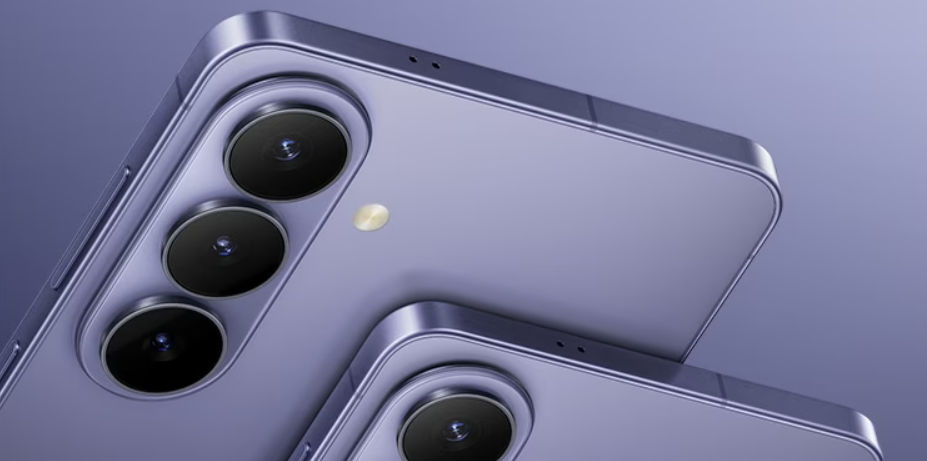
That is exactly why we need to talk about the whispers coming out of South Korea regarding the upcoming Samsung Galaxy S27 Pro.
"Planning your upgrade cycle around major technological shifts isn't a luxury for tech enthusiasts; it's a strategic move that saves your business lakhs of rupees in unnecessary downtime."
You might think it’s crazy to discuss a smartphone that is still down the pipeline. However, the long-term roadmap for these flagship devices tells us exactly where enterprise technology is heading. Planning ahead prevents you from throwing money away today.
The Three-Year Tech Cycle Rule
Most small business owners in India make a critical error: buying cheap, budget phones for their sales and field staff every 18 months. These devices slow down rapidly, their battery health plummets, and they end up costing you exponentially more in lost productivity and sheer employee frustration.
A premium enterprise device, managed correctly, easily lasts three to four years.
If you bought flagship models recently, your team is set for a long time. But if your team is currently running on aging devices, understanding what is coming down the line helps you make a smarter purchasing decision today. The Galaxy S27 Pro rumors represent a clear destination where many current experimental features will finally mature into highly practical, daily business tools.
What the Tech Grapevine is Whispering
The global tech community is buzzing with details about what this future lineup will bring to the table. We aren't talking about superficial changes like slightly shinier back panels or marginally curved glass. We are looking at fundamental shifts in how mobile devices handle heavy, daily enterprise workloads.
1. A Next-Generation Efficiency Chip
The most significant rumor points toward a complete overhaul of the internal processing chip. Samsung is reportedly working on a much smaller, highly efficient processor architecture.
The Business Impact: This doesn't just mean faster loading times for your inventory or CRM applications. It means your phone will run cool and remain completely stable, even when you are hotspotting to your laptop during an unexpected power cut in the office.
2. On-Device AI (Zero Internet Lag)
We have all tried using basic AI tools to draft quick customer emails or summarize long vendor contracts. Currently, almost all of these tools send your data to a cloud server, wait for a response, and then bounce it back to your screen. If you are traveling through an industrial area with poor network coverage, this system falls apart instantly.
The Business Impact: The rumor mill suggests the S27 Pro will feature highly advanced on-device AI capabilities that require absolutely zero internet connection. Imagine your sales representative sitting in a basement warehouse in Pune, instantly translating a complex Marathi specification sheet into English—without needing a single bar of mobile signal.
3. Batteries That Outlast Your Entire Workday
There is absolutely nothing worse than a phone dying right when a client is about to show you a successful UPI payment confirmation screen. Standard lithium-ion batteries have reached their physical limitations. Rumors suggest that by the time this series rolls out, we might see early enterprise iterations of solid-state battery technology.
The Business Impact: Batteries won't just last longer on a single charge; they won't degrade over years of heavy daily usage. Your delivery partners won't have their GPS die mid-route, and your team can focus on closing deals instead of hunting for empty wall sockets in client offices.
4. Ironclad, Hardware-Level Data Security
With Indian businesses rapidly moving to mobile-first banking and digital transactions, security is a non-negotiable factor. If a junior employee loses a phone containing sensitive client data, the compliance and financial consequences can be disastrous.
The Business Impact: The future lineup is expected to feature hardware-isolated encryption that completely segregates business data from personal applications. Even if an employee accidentally downloads a malicious file on their personal time, your customer database, financial records, and official chats remain perfectly safe inside an impenetrable digital vault.
How to Plan Your Business Tech Budget
Let’s look at this practically over a hot cup of tea. You do not need to buy the most expensive phone the day it launches. That is a luxury for tech enthusiasts, not smart business owners who watch every single rupee. Instead, use these industry roadmaps to map out your long-term capital expenditure (CapEx).
Start treating your business smartphones as serious assets with a clear depreciation value. If you know a massive leap in battery life and offline AI processing is just around the corner, you can strategically plan to squeeze another 12 months out of your current devices. Avoid locking yourself into expensive, mid-tier upgrades right now that will feel completely obsolete within a year.
Article Comments
You must be signed in to post comments.
Sign In to Join the Discussion →No comments approved yet. Be the first to share your thoughts!
About the Author
APX Teck
Technology Consultant
Professional engineers crafting clean code architectures and visual portfolios for SMBs.